Vardavar: Armenia's Festival of Water, Purification, and Joy
Vardavar (Armenian: Վարդավառ) is one of Armenia's most beloved and unique festivals, a day when the entire country transforms into a joyous, communal water fight. Celebrated 98 days after Easter, this ancient tradition sees people of all ages taking to the streets, parks, and courtyards to playfully soak each other with buckets, water guns, hoses, and any available container. Beyond the surface-level fun, Vardavar carries profound cultural and historical significance, weaving together threads from Armenia's pre-Christian past and its Christian present into a vibrant tapestry of national identity.
Pagan Origins and the Goddess Astghik
The roots of Vardavar stretch deep into Armenia's pagan history, long before the nation's adoption of Christianity in 301 AD. The festival was originally dedicated to Astghik, the goddess of water, beauty, love, and fertility. In her honor, ancient Armenians would release doves and offer roses, while the ritual pouring of water was believed to invoke her blessings for a bountiful harvest and prosperity. The very name "Vardavar" is often linked to the Armenian word "vard" (վարդ), meaning "rose," further connecting it to these floral offerings to the goddess. This water ritual was a celebration of life, natural forces, and the cleansing power of water, central themes that have endured for millennia.
Christian Adoption and Symbolism
With the Christianization of Armenia, the Armenian Apostolic Church, demonstrating its characteristic approach of integrating rather than erasing popular traditions, repurposed the pagan festival. Vardavar was linked to the Feast of the Transfiguration of Jesus Christ (Սուրբ Ծննդյան տոն). The Church imbued the water rituals with new Christian symbolism: the water now represented purification, spiritual renewal, and the light of Christ's revealed divinity on Mount Tabor. This seamless fusion allowed the tradition to survive and thrive, ensuring its passage from generation to generation. Today, it is officially recognized on Armenia's List of Intangible Cultural Heritage.
The Modern Celebration
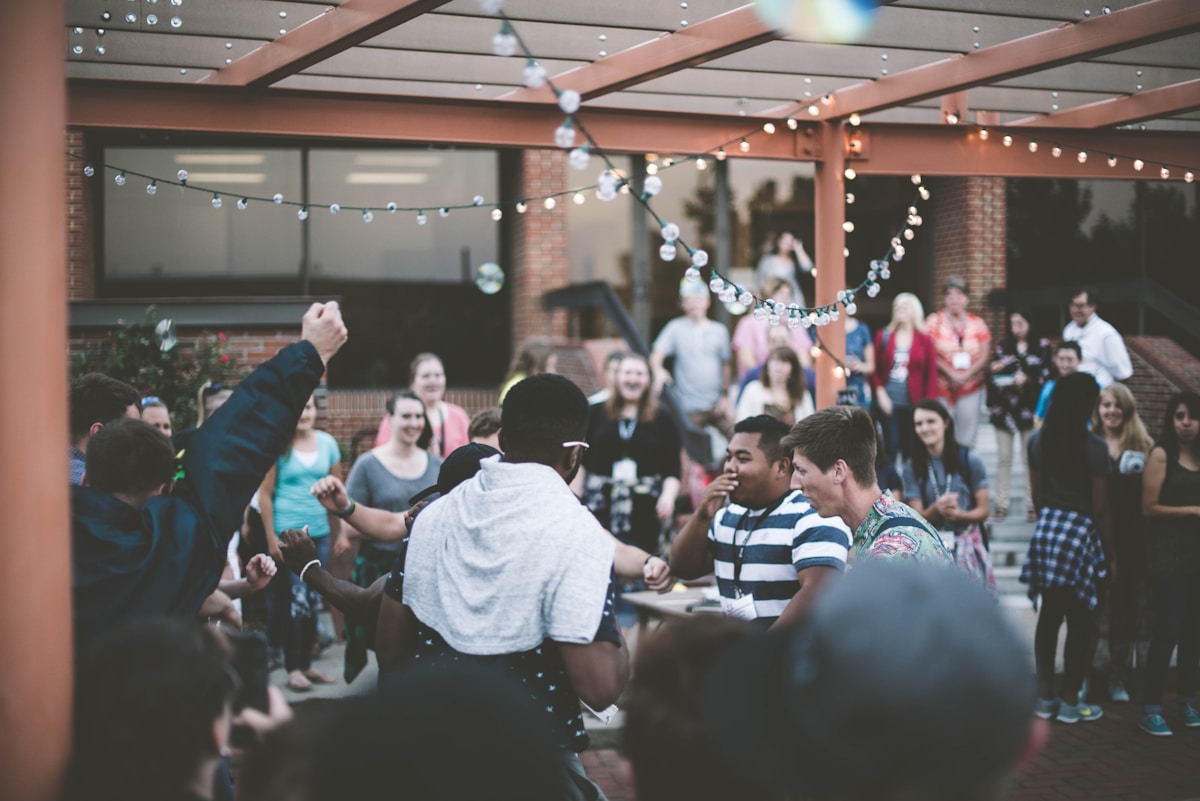
On the day of Vardavar, social norms are delightfully upended. From young children to elderly grandparents, everyone is a potential target and participant. The atmosphere is one of uninhibited fun and communal bonding. City squares become arenas of laughter, while in villages, people often draw water from local springs or canals to join in. It is considered bad form to take offense or get angry at being drenched; the act is one of playful affection and well-wishing. The water is seen as washing away troubles and bringing health and happiness for the coming year. Alongside the water fights, the day is often marked by festive music, traditional dances, and family gatherings.
Cultural Significance and Legacy
Vardavar is far more than a simple summer water fight. It is a powerful expression of cultural continuity. The festival acts as a living bridge, connecting contemporary Armenians with their ancient ancestors. It reinforces community bonds, as the entire society engages in a shared, egalitarian ritual where status and age are momentarily set aside. The tradition also embodies key Armenian values: joy in the face of historical adversity, a deep connection to nature and its elements, and the resilience of cultural identity. For the Armenian diaspora worldwide, celebrating Vardavar, even in adapted forms, is a crucial way to maintain ties to their homeland and heritage.
In conclusion, Vardavar stands as a testament to Armenia's rich historical layers. It captures the essence of the nation's ability to preserve its oldest traditions by adapting them to new spiritual frameworks. The sight of laughing, water-soaked crowds in the streets of Yerevan and every Armenian village is a vivid, annual reminder of a celebration that has honored water, love, and renewal for over two thousand years, ensuring that the spirit of the goddess Astghik and the light of the Transfiguration continue to flow together in a refreshing stream of national joy.