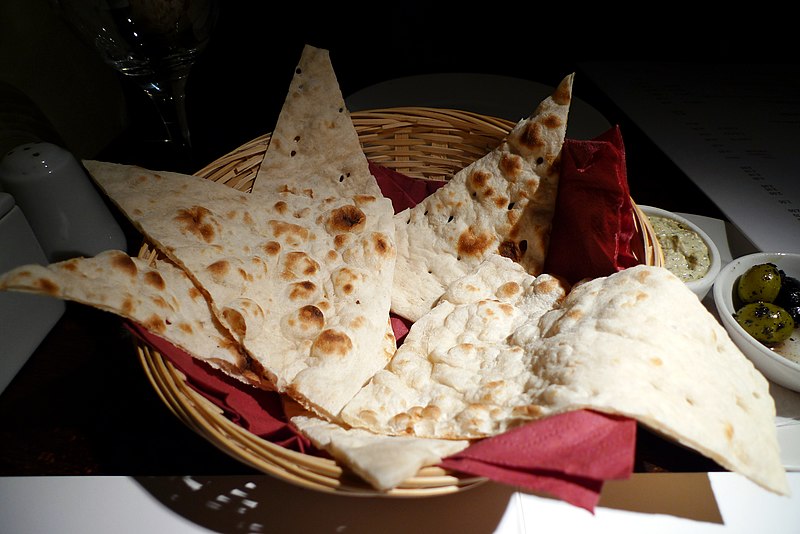
Lavash is a traditional Armenian unleavened flatbread, baked in a tonir (clay oven). It is characterized by its thin, large, oblong shape, chewy yet pliable texture, and distinctive browned spots. This bread is a staple used for wrapping kebabs, cheeses, and herbs, or served alongside meals.
Ingredients
- 500 g All-purpose flour (plus extra for dusting)
- 300 ml Water (lukewarm)
- 10 g Salt (about 1.5 tsp)
- 5 g Active dry yeast (optional for modern home versions; traditional dough is unleavened or uses a sourdough starter (khamir))
- 100 g Sourdough starter (khamir) (traditional leavening agent; can replace yeast)
Instructions
-
1
If using yeast: Dissolve yeast in lukewarm water and let sit for 5-10 minutes until frothy. If using traditional khamir (sourdough starter), mix it directly with the water.
-
2
In a large bowl, combine flour and salt. Make a well in the center and gradually pour in the water mixture (with yeast or khamir).
-
3
Mix until a shaggy dough forms, then turn out onto a lightly floured surface. Knead vigorously for 15-20 minutes until the dough is very smooth, elastic, and no longer sticky. This long kneading is crucial for developing the gluten and achieving the right texture.
-
4
Place the dough in a lightly oiled bowl, cover with a damp cloth, and let rest in a warm place for 1 hour, or until nearly doubled in size. For a more authentic, less puffy result, the resting time can be shorter (30-45 minutes).
-
5
Divide the dough into 8 equal portions. Shape each into a smooth ball, cover, and let rest for 15 minutes.
-
6
On a lightly floured surface, roll each ball into a very thin, large, and oblong sheet (approx 30-40 cm long). The dough should be almost translucent. Traditionally, the dough is stretched over a special oval cushion (okhlav) before being slapped against the hot wall of the tonir.
-
7
Preheat your oven to its highest temperature (260°C/500°F or higher) with a pizza stone or inverted baking sheet inside. A cast-iron skillet or griddle can also be used on the stovetop over high heat.
-
8
Carefully transfer one rolled lavash onto the preheated stone or skillet. Bake for 2-3 minutes until it puffs slightly and develops characteristic browned and blistered spots. Do not overbake; it should remain pliable.
-
9
Remove immediately and stack the cooked lavash under a clean kitchen towel to keep them soft and pliable. Repeat with the remaining dough balls.
Tips & Variations
For a crispbread version, bake a few minutes longer until completely dry and crisp. To mimic the tonir's intense heat, use a barbecue grill or the broiler function. If the dough springs back while rolling, let it rest a few more minutes. Fresh lavash can be stored in a plastic bag at room temperature for a day or frozen for longer storage.
Cultural Background
Lavash is one of the most ancient breads, with its preparation method inscribed on UNESCO's Representative List of the Intangible Cultural Heritage of Humanity as an expression of Armenian culture. Traditionally, the baking was a communal, often female-led activity, central to weddings, births, and major holidays. The bread's long shelf life made it essential for travel and winter storage.
Region: Throughout Armenia, with strong traditions in rural communities