
5 min read
Dr. Raymond Vahan Damadian (born 1936) is an Armenian-American physician, medical practitioner, and inventor of the first MRI (Magnetic Resonance Imaging) scanner. His groundbreaking work has saved countless lives and transformed modern medicine.
## Early Life and Education
Born in New York City to Armenian immigrant parents, Damadian showed early promise in music, earning a scholarship to Juilliard at age eight. However, he chose science over music, studying mathematics and chemistry at the University of Wisconsin-Madison before earning his medical degree from Albert Einstein College of Medicine.
## The Discovery
In 1969, while researching sodium and potassium in living cells, Damadian made a crucial observation: cancerous tissue had different nuclear magnetic resonance (NMR) signals than healthy tissue. This meant NMR could potentially detect cancer non-invasively.
On March 17, 1971, he published his findings in the journal Science, proposing that NMR could be used to detect cancer in humans. This paper laid the foundation for MRI technology.
## Building "Indomitable"
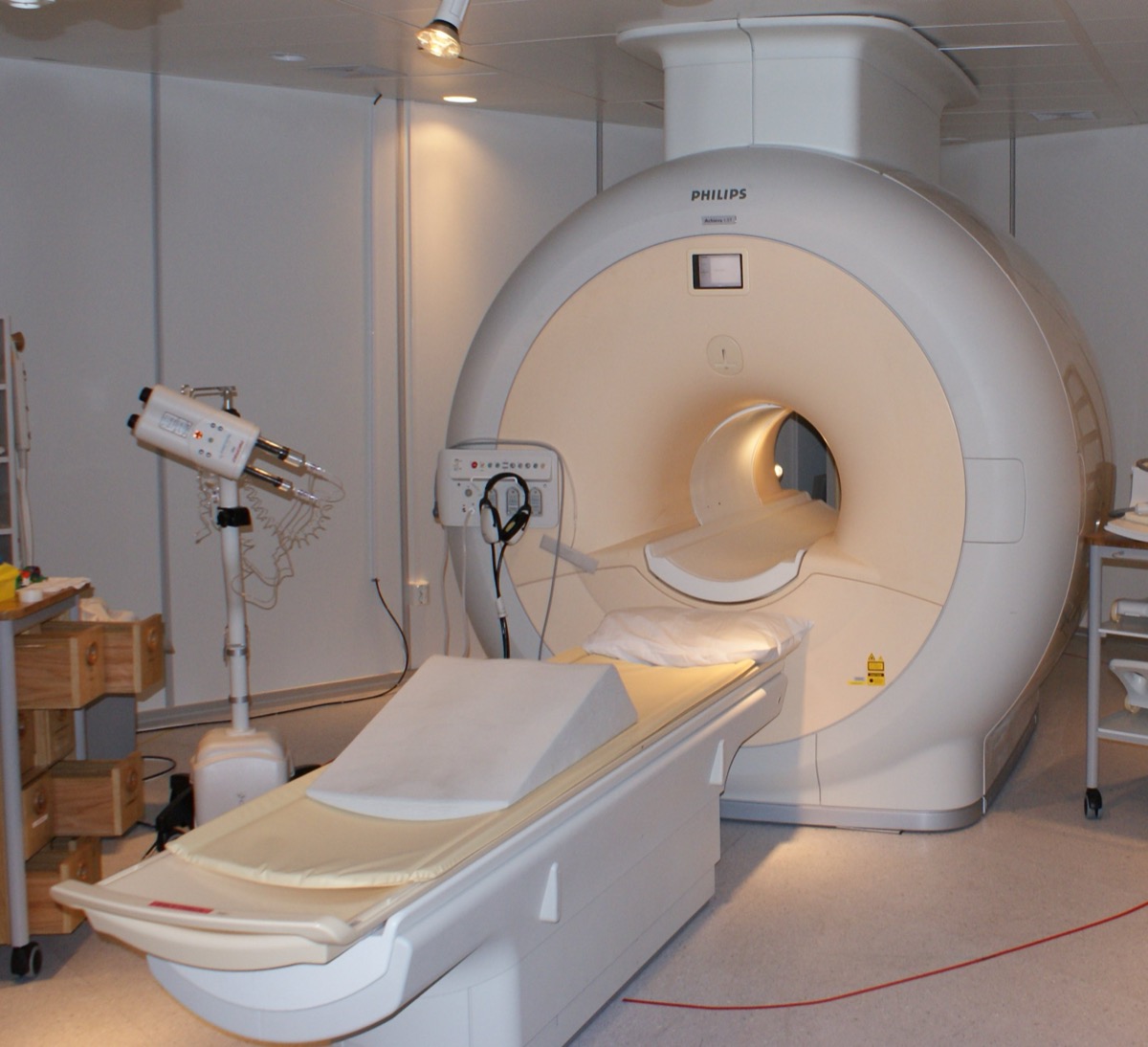
Damadian built the first full-body MRI scanner, which he named "Indomitable." On July 3, 1977, his team produced the first human MRI scan—a historic moment in medical history. The machine took nearly five hours to produce a single image, but it proved the concept worked.
## Recognition and Legacy
Damadian received the National Medal of Technology in 1988 from President Reagan. He was inducted into the National Inventors Hall of Fame in 1989. While controversially excluded from the 2003 Nobel Prize in Medicine (which went to two scientists who refined his work), the medical community widely recognizes his pioneering contribution.
## Armenian Heritage
Damadian has been active in Armenian causes, supporting Armenian churches and cultural organizations. He represents the remarkable contributions Armenian immigrants and their descendants have made to American science and medicine.
## Impact on Medicine
Today, MRI scanners are found in hospitals worldwide. The technology allows doctors to see detailed images of organs, tissues, and bones without surgery or harmful radiation. Damadian's invention has revolutionized the diagnosis of cancer, brain disorders, joint problems, and countless other conditions.
His story exemplifies how curiosity, persistence, and rigorous scientific work can transform human health and well-being.
Tags
science,medicine,inventor,mri,diaspora