
6 min read
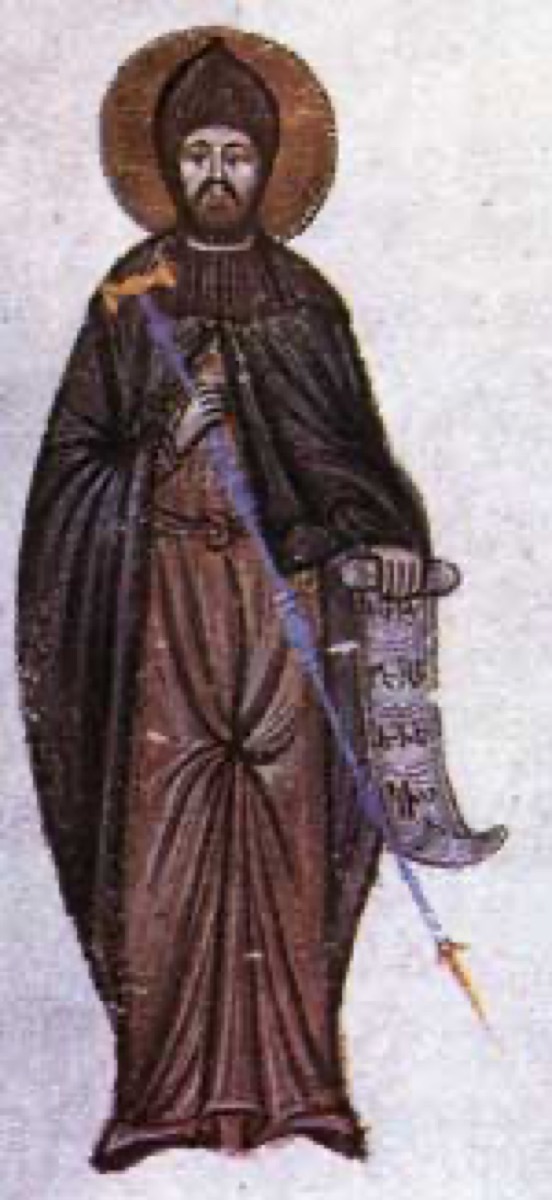
The creation of the Armenian alphabet in 405 AD stands as one of the most significant events in Armenian history. Created by the monk and scholar Mesrop Mashtots, this unique writing system helped preserve Armenian culture, religion, and identity through centuries of foreign domination.
## The Need for an Alphabet
Before Mashtots created the Armenian alphabet, Armenians used Greek, Syriac, and Persian scripts to write their language. This created problems, particularly for religious education and the spread of Christianity. King Vramshapuh and Catholicos Sahak Partev commissioned Mashtots to develop a script specifically suited to the Armenian language.
## Divine Inspiration
According to tradition, Mashtots received divine inspiration for the alphabet. After years of study and prayer, he had a vision in which a hand appeared and wrote the letters before him. Whether divine or scholarly in origin, the result was a perfectly designed phonetic alphabet of 36 letters (later expanded to 39) that captured every sound in the Armenian language.
## A Masterpiece of Linguistic Design
The Armenian alphabet is remarkable for its phonetic precision. Each letter represents a single, unique sound, making Armenian one of the most phonetically consistent written languages. The letters are also arranged in an order that reflects their sounds, grouped by articulation point in the mouth.
## The Golden Age of Armenian Literature
The alphabet's creation sparked an explosion of literary activity. Within decades, the Bible was translated into Armenian (the Grabar translation is still considered one of the most beautiful in any language), followed by histories, theological works, and poetry. The fifth century became known as the "Golden Age" of Armenian literature.
## Survival Through Persecution
Throughout invasions by Arabs, Mongols, Persians, and Ottomans, the Armenian alphabet served as a crucial marker of identity. Even when Armenian was banned in public, families taught the script in secret. The alphabet helped maintain Armenian distinctiveness when assimilation would have been easier.
## Alphabet Day
Armenians celebrate their alphabet with a national holiday. Visitors to Armenia can visit the Alphabet Monument near Artashavan, where giant stone letters stand on a hillside as a tribute to Mashtots' creation. Mashtots himself is buried at Oshakan, where his tomb is a pilgrimage site.
## Modern Relevance
Today, the Armenian alphabet continues to serve as a powerful symbol of national identity. The letters "Ա" (A) and "Ք" (K), the first and last letters, appear in artwork, jewelry, and even tattoos as expressions of Armenian pride. In an age of globalization, this 1,600-year-old writing system remains a vital link to Armenian heritage.
Tags
alphabet,mashtots,language,history,christianity,literature