
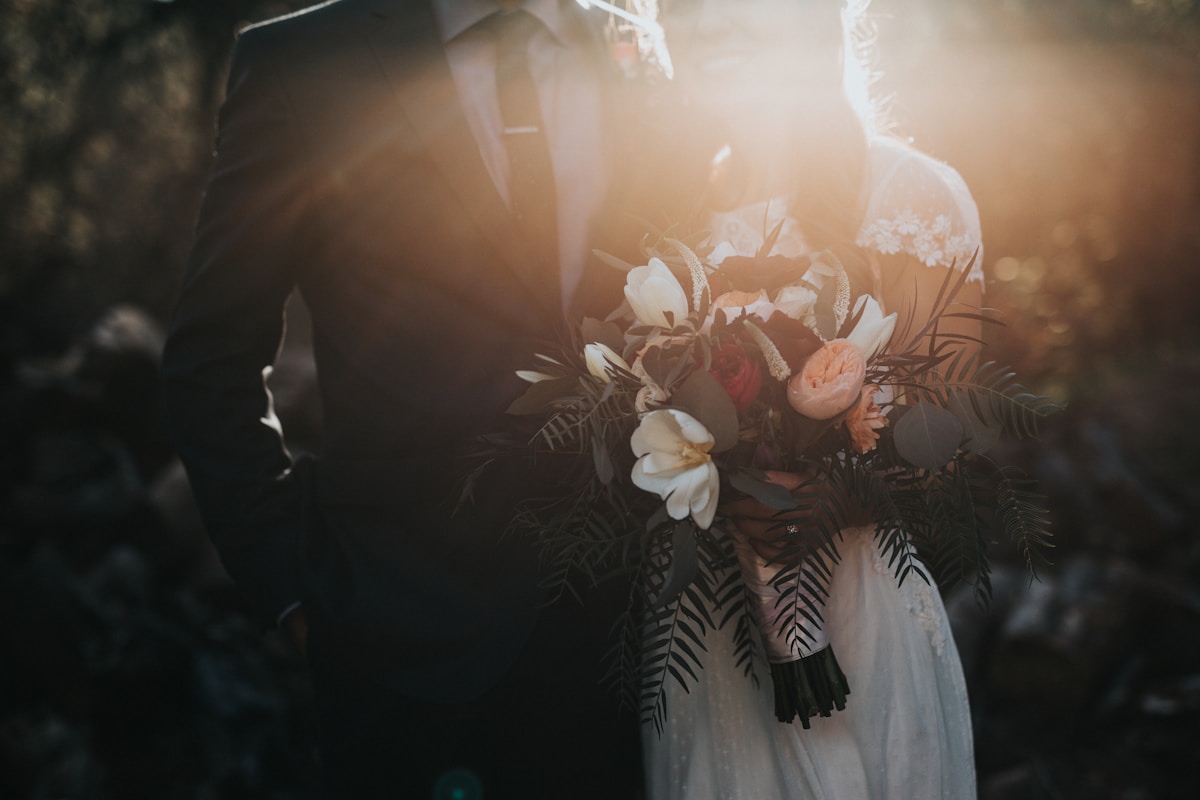
The Armenian Wedding (Harsanik): A Tapestry of Ritual and Celebration
An Armenian wedding, or Harsanik, is far more than a single-day event; it is a profound cultural journey that weaves together ancient Christian rites, pre-Christian symbolism, and vibrant communal celebration. Steeped in tradition, the wedding process serves to unite not just two individuals but two families, reinforcing social bonds and cultural identity. While practices can vary between regions—such as historic Armenia, the Diaspora, and communities like those in Isfahan, Iran—the core structure of the celebration remains a testament to Armenian endurance and joy.
The Path to the Altar: Pre-Wedding Rituals
The journey begins with the engagement (khosk-kap), a formal proposal where the groom's family visits the bride's home with gifts, symbolizing respect and the forging of a new alliance. This is often followed by the Red and Green Ribbon Ceremony, a particularly poignant pre-wedding tradition preserved notably by Armenians in Iran. In this ritual, red ribbons (symbolizing luck, fertility, and the bride's departure from maidenhood) and green ribbons (symbolizing life, renewal, and prosperity) are tied to the hands of the bride and groom, or woven into their attire, to bless their future life together.
Another key pre-wedding event is the Dressing of the Bride and Groom, which occurs separately on the wedding morning. The bride is dressed by her female relatives and friends, who sing traditional songs. A significant moment is the fastening of her veil, often accompanied by the placement of a crown or a coin on her head for blessings. The groom is similarly dressed, with his kavor (godfather/sponsor) playing a central role in helping him prepare.
The Wedding Day: Sacred Rites and Symbolic Acts
The heart of the Harsanik is the church ceremony, a sacrament in the Armenian Apostolic Church. The couple is crowned during the Crowning Ceremony (khohankar), where ornate crowns or crowns made of ribbon are placed on their heads, symbolizing the creation of a new kingdom—their family. The kavor holds a cross over their heads, representing God's blessing and protection. The priest binds their right hands together, and they take communion, sealing their union before God.
Following the church service, the celebration moves to the banquet. The reception is characterized by abundant traditional food like khorovats (barbecue), dolma, and lavash bread, and endless toasts (kenats) led by the tamada (toastmaster). Music and dance are central, with the energetic kochari line dance uniting all guests. Key moments include the first dance of the couple and the money dance, where guests pin money to the couple's attire to help them start their new life.
Post-Wedding Customs and Regional Variations
After the festivities, traditions continue. The bride often throws her bouquet, and the couple's departure is marked by well-wishers. In some regions, a ritual like opening the gate is performed, where the groom's family must offer a gift to symbolically open the path to their new home. The influence of local culture is evident, such as in the elaborate ribbon ceremonies of Isfahan or specific dance styles from different regions, but the universal elements of faith, family, food, and music remain the pillars of every Harsanik.
Today, many couples blend these deep-rooted traditions with modern elements, but the essence of the Armenian wedding—as a sacred, joyous, and unifying community event—continues to thrive, preserving a vital link to the past while celebrating future hopes.