
7 min read
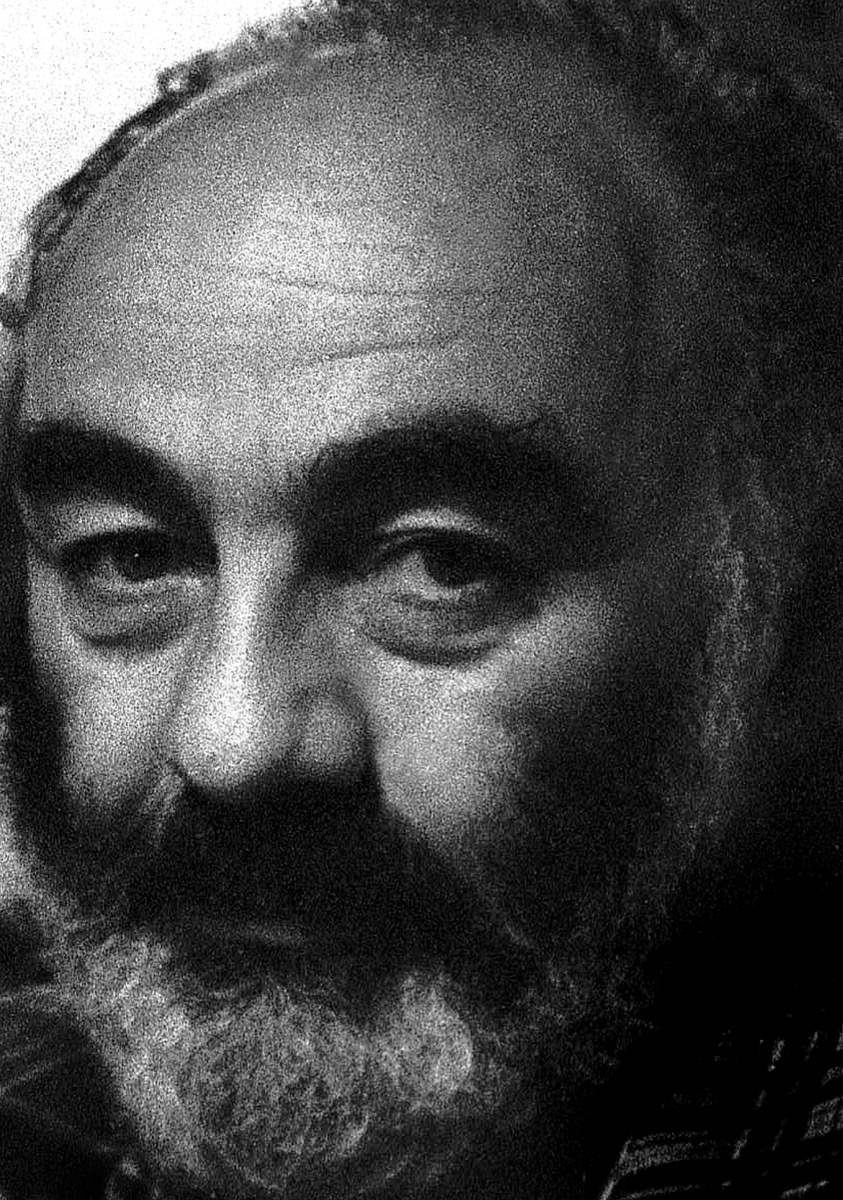
Sergei Parajanov (1924-1990) stands as one of cinema's most original voices—a filmmaker who created entirely new visual languages while drawing on the rich traditions of Armenian and Caucasian cultures. His work influenced directors from Tarkovsky to Coppola, yet he spent years in prison for his art and identity.
## Early Life and Training
Born Sarkis Parajaniants to an Armenian family in Tiflis (Tbilisi), Georgia, Parajanov grew up surrounded by the cultures of the Caucasus. He studied music, then filmmaking at Moscow's State Film Institute. His early films followed Soviet socialist realist conventions without distinction.
The turning point came with "Shadows of Forgotten Ancestors" (1965), set among Ukraine's Hutsul people. The film's visual poetry—swirling cameras, bold colors, symbolic imagery—announced a completely original filmmaker. It won awards at international festivals but drew suspicion from Soviet authorities wary of nationalism and artistic independence.
## The Color of Pomegranates
Parajanov's masterpiece, "The Color of Pomegranates" (1969), defies easy description. A meditation on the life of the 18th-century Armenian poet Sayat-Nova, the film abandons conventional narrative for a series of tableaux vivants—living pictures drawing on Armenian miniature painting, folk art, and religious imagery.
Every frame is meticulously composed, filled with symbolic objects: pomegranates suggesting blood and life, carpets encoding cultural memory, religious artifacts reflecting Armenia's Christian heritage. The film speaks a visual language rooted in Armenian aesthetics but universally powerful.
Soviet authorities were baffled and alarmed. They censored the film heavily and limited its distribution. In the West, however, it became a landmark of world cinema, influencing countless filmmakers and inspiring a reassessment of what film could be.
## Persecution and Prison
Parajanov's troubles with Soviet authorities stemmed from multiple factors: his artistic independence, his refusal to conform ideologically, and his homosexuality (though he was also married and had a son). In 1973, he was arrested on fabricated charges and sentenced to five years in labor camp.
The imprisonment of an internationally acclaimed filmmaker sparked protest worldwide. Filmmakers including Jean-Luc Godard, Federico Fellini, and Andrei Tarkovsky demanded his release. Parajanov served four years before international pressure secured his freedom.
Even after release, authorities harassed him constantly. He was banned from filmmaking for fifteen years, surviving by creating collages, assemblages, and drawings that continued his visual explorations in different media.
## Late Masterpieces
When Parajanov finally returned to filmmaking in the 1980s, he had lost none of his visual imagination. "The Legend of Suram Fortress" (1984) and "Ashik Kerib" (1988) continued his exploration of Caucasian cultures through stunning imagery and symbolic storytelling.
These later films revealed an artist who had survived prison and persecution with his vision intact. If anything, his visual language had become more refined, more concentrated, more powerful.
## Artistic Philosophy
Parajanov rejected conventional cinema's reliance on narrative and dialogue. He saw film as a primarily visual art, closer to painting than literature. His films invite viewers to contemplate rather than follow, to feel rather than understand intellectually.
His aesthetic drew deeply from Armenian traditions: the stylized imagery of medieval miniatures, the symbolic language of khachkars (cross-stones), the rich colors of carpets and textiles. He transformed these traditions into a cinematic vocabulary entirely his own.
## Legacy
Parajanov died in 1990, just as the Soviet Union was collapsing. He had lived long enough to see his reputation restored, his films recognized as masterpieces. The Parajanov Museum in Yerevan preserves his collages, drawings, and personal effects.
His influence extends through world cinema. Directors cite him as an inspiration; film schools study his techniques; festivals celebrate his work. For Armenian artists, he demonstrated how deep engagement with cultural tradition could produce art of universal significance.
As Tarkovsky said of him: "Parajanov is a genius... He has entered the history of cinema forever."
Tags
parajanov,cinema,filmmaker,soviet,art,pomegranates