
7 min read
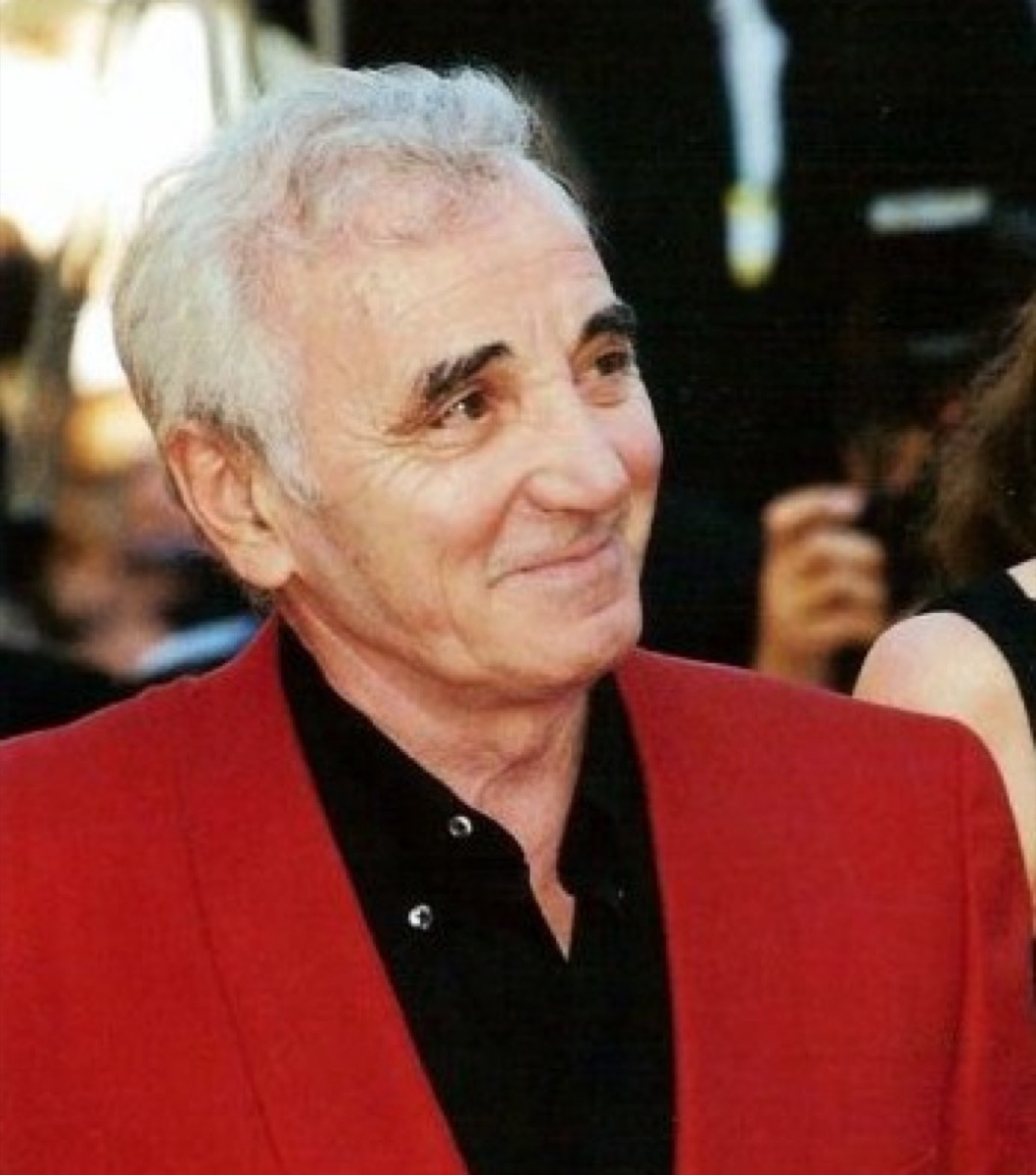
Charles Aznavour (1924-2018) was not merely a singer—he was a phenomenon. Born Shahnour Vaghinag Aznavourian to Armenian immigrant parents in Paris, he rose to become one of the best-selling recording artists in history, with over 180 million records sold and songs performed in eight languages.
## Immigrant Beginnings
Aznavour's parents fled the Armenian Genocide, arriving in Paris as refugees. His father, Mischa, was a baritone who sang in restaurants; his mother, Knar, was an actress. Young Charles grew up in a tiny apartment above a café, surrounded by Armenian refugees, artists, and revolutionaries.
This background shaped Aznavour's artistic sensibility. From his parents he inherited both talent and resilience. From the émigré community he absorbed the melancholy and longing that would infuse his greatest songs.
## The Long Road to Success
Unlike many stars, Aznavour's success came slowly. He was dismissed early in his career for his unusual voice (too nasal), his appearance (too short, not handsome enough), and his style (too dramatic). Edith Piaf, who mentored him, believed in his talent even when audiences didn't.
It wasn't until his late thirties that Aznavour achieved major stardom, with songs like "La Bohème," "Yesterday When I Was Young," and "She." His persistence in the face of rejection became legendary—he later estimated he had been rejected ten thousand times before finding success.
## A Unique Voice
Aznavour's voice was immediately recognizable: slightly nasal, emotionally intense, capable of expressing profound feeling with subtle inflection. He revolutionized French chanson by singing about personal, even taboo subjects—aging, loneliness, homosexuality—with directness and compassion.
His songwriting matched his vocal gifts. Aznavour wrote over 1,200 songs, many considered standards of the French repertoire. His ability to craft songs that were both commercially successful and artistically meaningful set him apart from mere entertainers.
## International Star
While rooted in French chanson, Aznavour became truly international. He recorded in French, English, Italian, Spanish, German, Russian, and Armenian. His English-language hits introduced him to audiences worldwide; his concerts filled halls from New York to Tokyo.
He acted in over 60 films, demonstrating his abilities beyond singing. Directors from François Truffaut to Atom Egoyan sought him out. His acting, like his singing, combined technical skill with emotional authenticity.
## Armenian Ambassador
Throughout his career, Aznavour never forgot his Armenian heritage. He wrote songs in Armenian, performed at Armenian events, and spoke publicly about the Genocide. When a devastating earthquake struck Armenia in 1988, he organized relief efforts, cofounding the charity Aznavour for Armenia.
In 2009, Armenia appointed him ambassador to Switzerland and permanent delegate to the United Nations in Geneva. Though he had never lived in Armenia, he was treated as a national hero, embodying the success and resilience of the Armenian diaspora.
## Final Years
Aznavour continued performing into his nineties, defying age with the same determination that had carried him through his early struggles. His final concerts drew audiences spanning generations, many attending to witness a living legend.
When he died in 2018 at age 94, both France and Armenia declared national mourning. The child of Genocide survivors had become a treasure of two nations and a gift to the world.
## Legacy
Aznavour's legacy extends beyond his recordings. He proved that success can come at any age, that different can become distinctive, that persistence matters more than early triumph. For Armenians, he demonstrated how diaspora children could honor their heritage while achieving universal acclaim.
As Aznavour sang in "The Old Fashioned Way": "Dance in the old-fashioned way... won't you stay in my arms?"—an invitation millions accepted, and continue to accept, through his timeless recordings.
Tags
aznavour,singer,music,france,diaspora,chanson