
6 min read
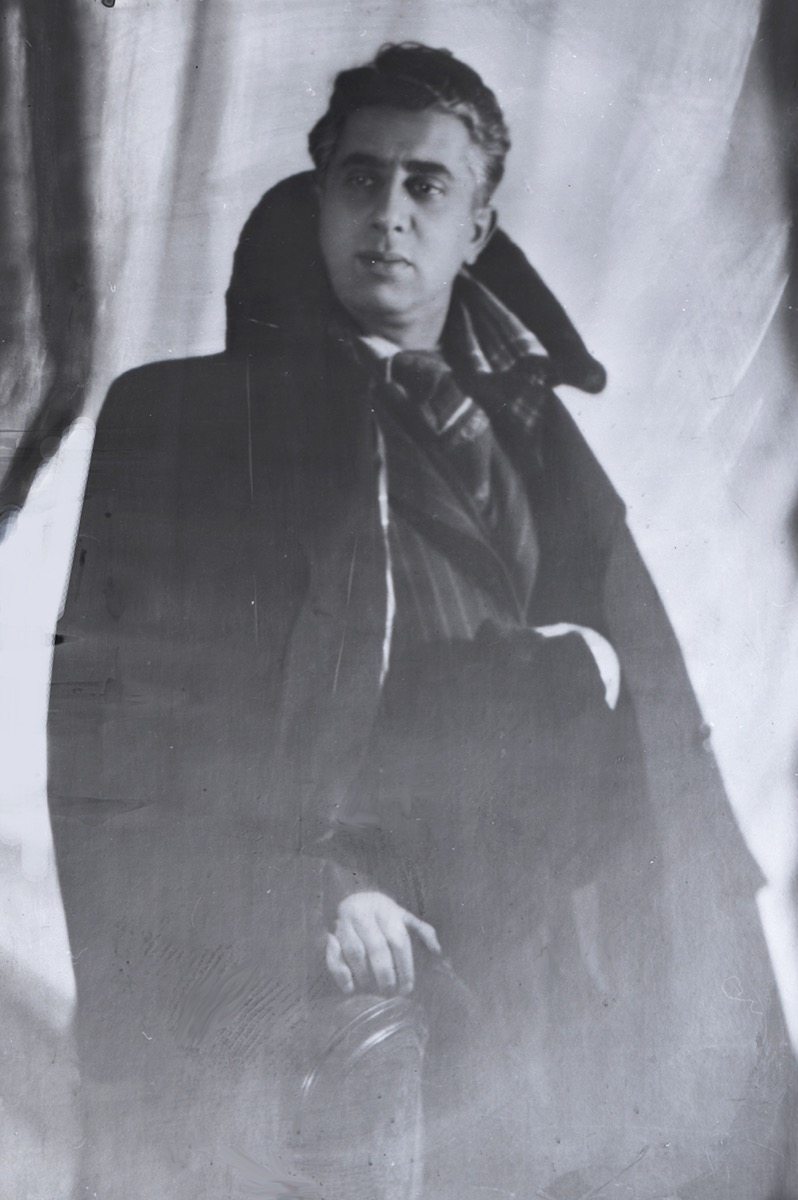
Aram Khachaturian (1903-1978) stands as Armenia's most celebrated classical composer and one of the most important musical figures of the 20th century. His works, infused with the rhythms, melodies, and spirit of Armenian folk music, brought the sound of the Caucasus to concert halls worldwide.
## From Tiflis to Moscow
Born in Tiflis (now Tbilisi, Georgia) to an Armenian family, Khachaturian grew up surrounded by the musical traditions of the Caucasus. He didn't begin formal music study until age 19, relatively late for a composer. Moving to Moscow, he enrolled at the Gnessin Musical Institute and later the Moscow Conservatory.
Despite his late start, Khachaturian's natural talent was evident. His graduation piece, the Piano Concerto (1936), brought him immediate fame throughout the Soviet Union. Its Armenian themes and energetic rhythms captivated audiences unused to hearing such exotic sounds in classical form.
## The Sabre Dance
Khachaturian's most famous work emerged from his ballet "Gayane" (1942). The "Sabre Dance," with its frenetic energy and driving rhythm, became an instant sensation. It has since appeared in countless films, commercials, and sporting events, making it one of the most recognized pieces of classical music worldwide.
Yet "Gayane" contains much more than this one famous number. The full ballet tells the story of an Armenian collective farm and features beautiful passages drawing on Armenian folk melodies, including the haunting "Adagio" often used in film scores.
## Symphonic Achievements
Khachaturian's three symphonies represent significant contributions to the orchestral repertoire. The Second Symphony (1943), composed during World War II, channels the tragedy and eventual triumph of that era. The Third Symphony (1947) boldly incorporates organ and 15 trumpets, creating a uniquely powerful sound.
His concertos for piano, violin, and cello remain staples of the virtuoso repertoire. Each demonstrates his gift for combining Armenian melodic characteristics with the demands of virtuoso performance, creating works that are both technically brilliant and emotionally powerful.
## The Spartacus Ballet
Khachaturian's ballet "Spartacus" (1954) represents perhaps his greatest achievement. Depicting the slave revolt against Rome, it features music of tremendous drama and passion. The "Adagio of Spartacus and Phrygia" became famous through its use as the theme for the BBC series "The Onedin Line."
## Armenian Soul, Universal Appeal
What makes Khachaturian's music special is its authentic Armenian character combined with universal emotional appeal. He drew on Armenian folk scales, dance rhythms, and improvisational traditions, but transformed them into works accessible to any listener.
His music captures something essential about Armenian identity: passionate, resilient, sometimes melancholy but ultimately life-affirming. Armenian audiences hear their heritage in his compositions; international audiences simply hear great music.
## Legacy
Khachaturian served as president of the Union of Soviet Composers and influenced generations of Armenian musicians. Today, the Yerevan State Conservatory bears his name, and his former home in Yerevan is preserved as a museum.
His music continues to inspire. When Armenia declared independence in 1991, the celebration naturally included Khachaturian's works. His compositions remain the most frequently performed Armenian classical music, introducing listeners worldwide to the sound of Armenia.
Tags
khachaturian,music,composer,classical,ballet,symphony