Merelots: Armenia's Memorial Day of the Dead
Merelots, meaning "of the dead," is a deeply rooted tradition in the Armenian Apostolic Church that provides a structured, liturgical framework for remembering and honoring the departed. Observed on the day immediately following each of the five major feast days of the Armenian Church—Christmas (Theophany), Easter, the Feast of the Transfiguration, the Assumption of the Holy Mother of God, and the Exaltation of the Holy Cross—Merelots creates a sacred rhythm throughout the ecclesiastical year where joy and celebration are naturally followed by solemn remembrance. This practice underscores a core Christian belief in the resurrection and the communion of saints, linking the living and the dead within the body of the Church.
The theological foundation of Merelots is the hope in eternal life through Jesus Christ. The departed are referred to not as gone, but as "asleep in Jesus Christ," awaiting resurrection. The tradition serves a dual purpose: it offers the living a formalized way to express love, respect, and ongoing spiritual connection with deceased family and friends, while also providing an opportunity to offer prayers for the peace and rest of their souls. It is an act of intercession, based on the belief that the prayers of the faithful can benefit those who have passed from this world.
The Observance and Rituals
The observance of Merelots typically follows a specific order, though personal or regional variations exist. Traditionally, the day begins with the faithful attending a special Divine Liturgy and Requiem Service (Hokehankisd) at their parish church. During this service, the names of departed loved ones are presented to the priest, who offers prayers specifically for them. The liturgy itself is adapted to the memorial theme, focusing on Christ's victory over death.
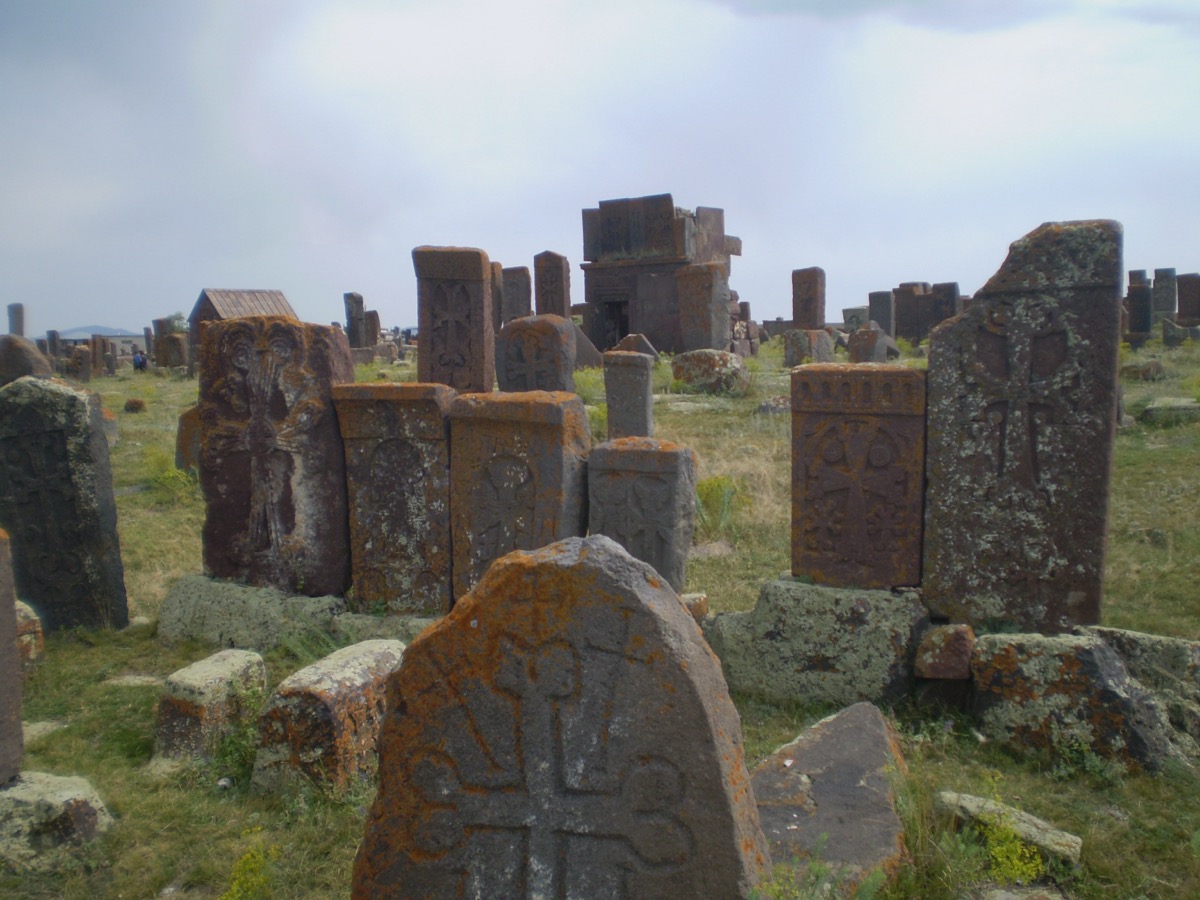
Following the church service, families travel to cemeteries to visit the graves of their relatives. This is not a mournful vigil but a respectful and often communal act of remembrance. Graves are cleaned and tidied, flowers are placed, and lamps or candles are lit—a symbol of the light of Christ and the eternal soul. The priest often accompanies the congregation to the cemetery or may visit multiple gravesites, offering brief prayers and censing the graves. This ritual transforms the cemetery from a place of loss into a sacred space of memory and hope, reinforcing the connection between the living community and its ancestors.
Merelots in the Context of Armenian Memorial Culture
Merelots is one part of a broader Armenian Christian culture of remembrance. It exists alongside other memorial observances such as the karasoonk (the 40th day after death), annual death anniversary hokehankisd services, and the universal observance of Dyarnuntarach (the Feast of the Presentation of the Lord to the Temple, also a traditional day for remembering the dead). This layered approach to memory ensures that the departed are regularly recalled in prayer and fellowship, preventing them from being forgotten.
The practice highlights a communal understanding of faith. While the visit to the grave is personal and familial, the initial act of worship is corporate. By first gathering as a church to pray for all the departed, the individual's grief and memory are integrated into the larger prayer of the Body of Christ. This communal aspect provides comfort and reinforces the idea that no one dies alone in the faith; they remain part of the church community, remembered collectively on these appointed days.
In modern times, while the core elements remain, practices may adapt. As noted in some contemporary reflections, some individuals may choose to visit graves before the liturgy, prioritizing the personal act of visitation. However, the essential components—the church prayer, the cemetery visit, and the offering of the faithful for the repose of souls—remain constant. Merelots continues to be a vital tradition, a poignant bridge between the great joys of the Christian feasts and the quiet, hopeful assurance of life everlasting, ensuring that the memory of the faithful departed is perpetually woven into the liturgical life of the Armenian people.