
6 min read
In Armenian culture, the pomegranate (Armenian: նdelays/nur) holds a significance far beyond its role as a fruit. This ancient symbol appears in Armenian art, architecture, literature, and ritual, representing fertility, abundance, marriage, and the Armenian people themselves.
## Ancient Origins
Pomegranates have grown in the Armenian Highland for millennia. Archaeological evidence shows pomegranate cultivation dating back at least 5,000 years. The fruit was sacred in ancient Armenian religion before Christianity, associated with Anahit, the goddess of fertility and wisdom.
When Armenians adopted Christianity, the pomegranate was reinterpreted through a Christian lens. Its red juice symbolized the blood of martyrs; its many seeds represented the unified church. Medieval Armenian churches and manuscripts incorporated pomegranate imagery extensively.
## Symbolic Meanings
The pomegranate carries multiple interlocking meanings in Armenian culture:
**Fertility and Abundance**: The hundreds of seeds within each fruit symbolize fertility, prosperity, and good fortune. Pomegranates appear at weddings, where brides may throw them against walls—the more seeds that scatter, the more children the couple will have.
**National Identity**: The pomegranate has become a symbol of Armenia itself. Its deep red color echoes the Armenian flag. Its seeds, held together within one skin, represent Armenians worldwide—separate yet unified.
**Eternity**: The pomegranate's ability to preserve well symbolizes eternal life. In Armenian Christian art, it often appears alongside the cross, representing resurrection and immortality.
**Knowledge and Wisdom**: Like the biblical tree of knowledge, the pomegranate represents wisdom gained through experience. Armenian scholars traditionally ate pomegranates before important work.
## Art and Architecture
Pomegranate imagery pervades Armenian visual culture. Medieval khachkars (cross-stones) often incorporate pomegranate motifs. Manuscript illuminations use pomegranate red as a primary color. Carpet weavers include stylized pomegranates in traditional patterns.
In architecture, carved pomegranates adorn church facades. The fruit appears in medieval stone reliefs at Geghard, Haghpat, and countless other monasteries. Modern Armenian architecture continues this tradition—the Cascade complex in Yerevan features pomegranate sculptures.
## Literature and Music
Armenian writers have long used pomegranate imagery. The medieval poet Sayat-Nova wrote extensively about pomegranates; Sergei Parajanov's film "The Color of Pomegranates" visualizes Sayat-Nova's poetry. Modern writers continue to employ pomegranate symbolism.
The folk song "Nar-Nar" (Pomegranate-Pomegranate) remains beloved. Contemporary musicians reference pomegranates in songs about Armenian identity. The fruit's symbolism resonates across generations and genres.
## Culinary Uses
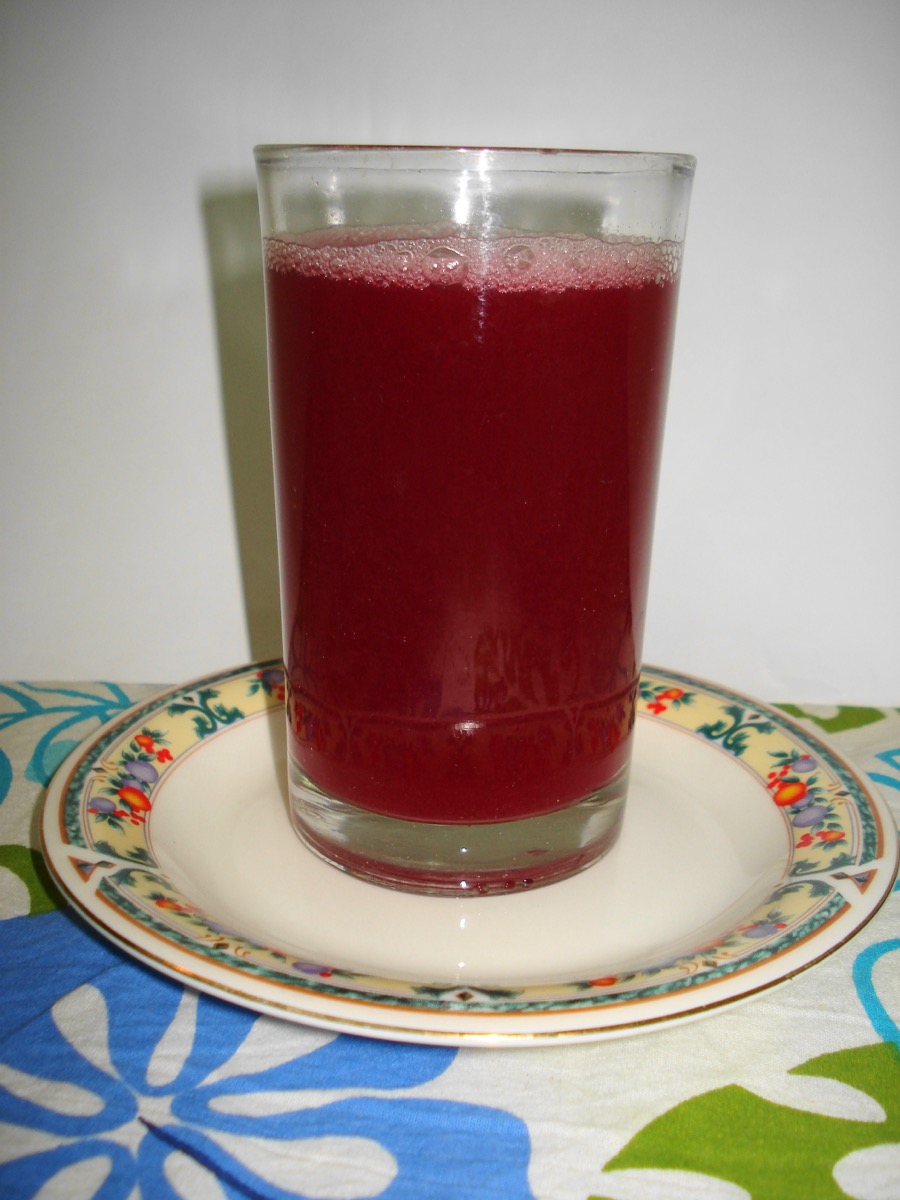
Beyond symbolism, pomegranates feature prominently in Armenian cuisine. Pomegranate molasses (narsharab) flavors meat dishes and salads. Fresh pomegranate seeds garnish rice pilafs and desserts. Pomegranate juice is a traditional beverage.
The annual pomegranate harvest in October remains an important event. Families gather to collect fruit, press juice, and prepare preserves. These rituals connect modern Armenians to agricultural traditions thousands of years old.
## Modern Expressions
Contemporary Armenian artists continue to explore pomegranate symbolism. Painters, sculptors, and jewelers create works featuring the fruit. Armenian souvenirs often incorporate pomegranate imagery—everything from ceramics to refrigerator magnets.
The pomegranate has also become a symbol of the diaspora. Armenian restaurants and businesses worldwide use pomegranate imagery in their branding. For diaspora Armenians, the fruit represents connection to homeland and heritage.
## Living Symbol
In Yerevan, pomegranate trees grow in countless gardens. Street vendors sell fresh pomegranates in season. The fruit appears in decorations, artwork, and daily life. To be in Armenia during pomegranate season is to understand viscerally why this fruit means so much.
The pomegranate embodies something essential about Armenian culture: beauty and utility combined, ancient tradition in modern life, many individual seeds united in one whole. Like Armenia itself, the pomegranate is small but significant, ancient but ever-renewed.
Tags
pomegranate,symbol,fruit,tradition,culture,art