Armenian Traditions

Discover the rich tapestry of Armenian customs, holidays, and traditions passed down through generations

Agra Hadig (Atam Hatik)
Birth | Celebrated shortly after the baby's first tooth erupts, typically between 4 to 12 months of age. There is no fixed calendar date; the ceremony is scheduled based on the child's development.

Agra Hadig (Atam Hatik)

Agra Hadig, also known as Atam Hatik, is a cherished Armenian tradition celebrating the emergence of a baby's first tooth. The ceremony involves placing symbolic objects representing various professions around the infant; the first item the baby selects is believed to foreshadow their future career path. The celebration is accompanied by a special dish called hadig, made from boiled wheat, symbolizing prosperity and growth.


Vardavar
Holiday | Celebrated 98 days after Easter (typically in July).

Vardavar

Vardavar is an ancient Armenian festival where people joyfully drench each other with water in the streets. Originally a pagan celebration dedicated to the goddess Astghik, it was later incorporated into the Christian calendar and continues today as a vibrant tradition symbolizing purification, love, and community.

Merelots (Memorial Day of the Dead)
Religious | Observed on the day immediately following each of the five major feast days of the Armenian Apostolic Church: Christmas/Theophany (Jan. 7), Easter (variable), Feast of the Transfiguration (variable, 9

Merelots (Memorial Day of the Dead)

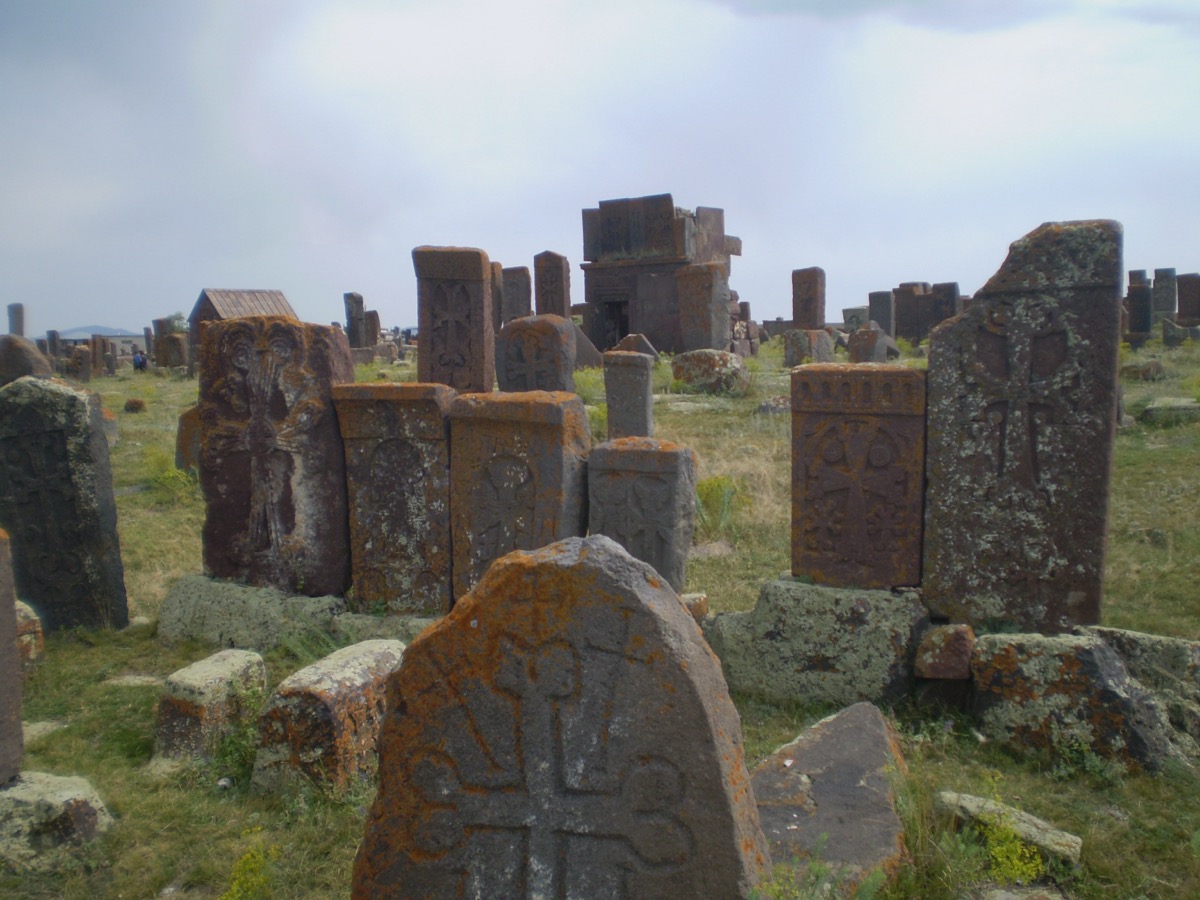
Merelots is a solemn Armenian Apostolic Church tradition observed on the day following the five major feast days, dedicated to commemorating the departed. The faithful attend special requiem services, offer prayers for the souls of the deceased, and visit gravesites to honor their loved ones who are 'asleep in Jesus Christ.'

Trndez (Candlemas Day / Diarnt'arach)
Religious | Celebrated on the evening of February 13th, culminating on February 14th, coinciding with the Armenian Church's Feast of the Presentation (Candlemas).

Trndez (Candlemas Day / Diarnt'arach)

Trndez is a beloved Armenian tradition celebrated on the eve of February 14th, marking the Armenian Church's feast of the Presentation of Christ to the Temple (Candlemas). The central ritual involves communities gathering around a large bonfire, circling it, and jumping over the flames, a practice symbolizing purification, the coming of spring, and the blessing of fertility, especially for newlyweds.

Vardavar: Armenia's Joyful Water Festival
Seasonal | 14 weeks after Easter (usually July)

Vardavar: Armenia's Joyful Water Festival

Vardavar is one of Armenia's most beloved summer celebrations, where people of all ages splash water on each other in a joyful tradition dating back to pagan times.

Armenian Wedding (Harsanik)
Wedding | A multi-day celebration, with primary rituals occurring on the wedding day itself, following pre-wedding ceremonies like the engagement and dressing rituals.

Armenian Wedding (Harsanik)

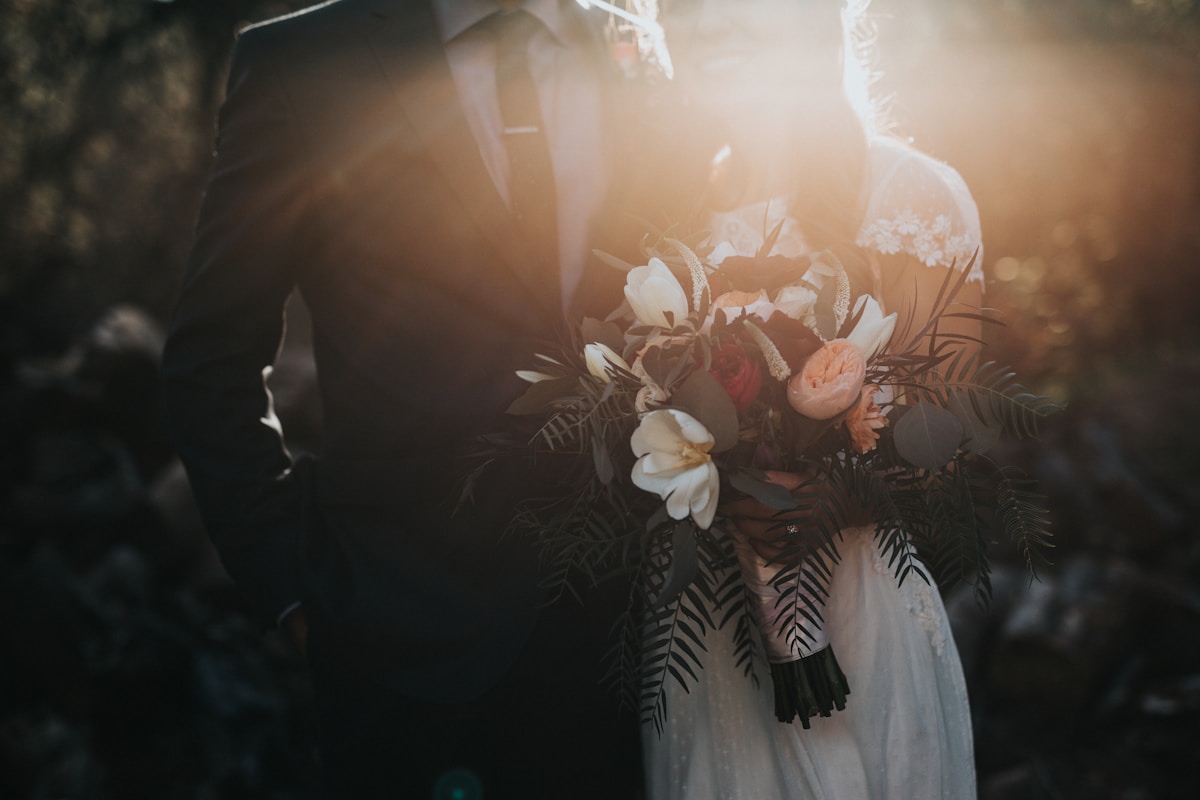
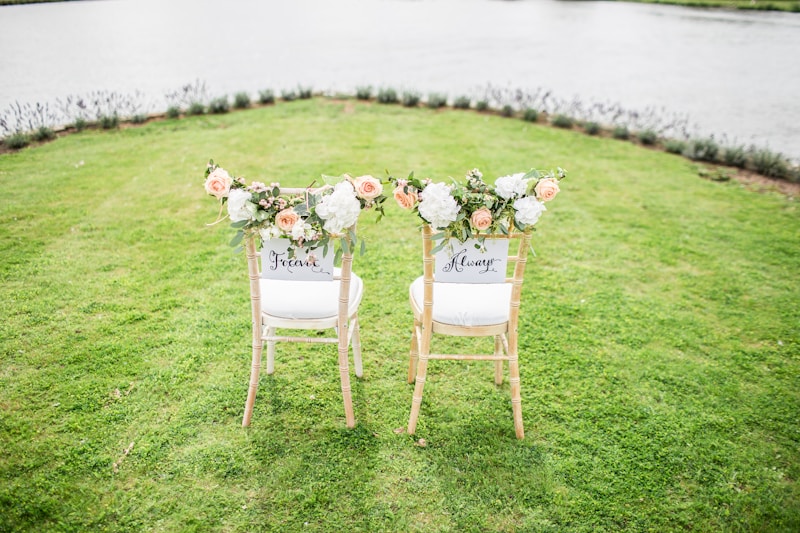
The Armenian wedding, known as Harsanik, is a multi-day celebration rich in symbolic rituals, communal feasting, and ancient Christian traditions. It encompasses numerous pre-wedding, wedding day, and post-wedding ceremonies that bind families and honor heritage, with regional variations adding unique local flavors to the festivities.

Khosk-Kap (Wedding Engagement)
Wedding | Occurs as the formal engagement ceremony, after the couple has decided to marry but before the modern personal proposal and the wedding itself. It is a planned event, not tied to a specific calendar d

Khosk-Kap (Wedding Engagement)

Khosk-Kap, also known as Khosk-Arnel, is the formal Armenian engagement ceremony where the groom asks the bride's family for her hand in marriage. This traditional event involves both families gathering for a significant dinner, where the proposal is officially made and accepted, marking the beginning of the wedding journey. It is a respectful ritual that emphasizes family unity and cultural heritage before the modern proposal occurs.