
6 min read
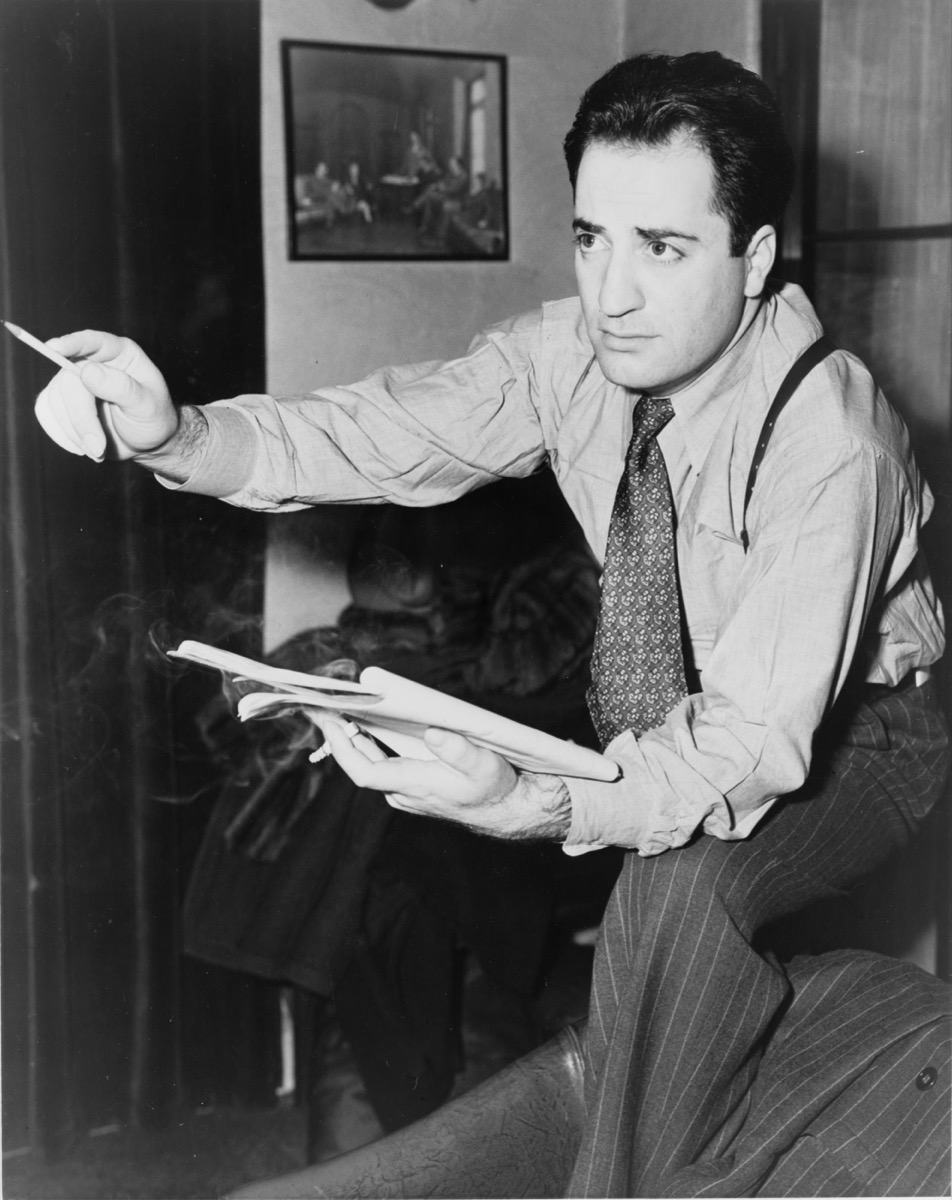
William Saroyan (1908-1981) emerged as one of America's most beloved writers during the mid-20th century. Born to Armenian immigrant parents in Fresno, California, Saroyan created works that celebrated the human spirit while drawing deeply from his Armenian heritage and the immigrant experience.
## Fresno Roots
Saroyan's father, Armenak, died when William was only three, forcing the family into an orphanage briefly before reuniting. This experience of loss and resilience would echo throughout his writing. Growing up in Fresno's Armenian community, Saroyan absorbed the stories, humor, and wisdom of immigrants building new lives in California's Central Valley.
The Armenian community of Fresno, with its grape farmers, shopkeepers, and storytellers, became the inspiration for countless Saroyan characters. His fictional town of Ithaca, California, clearly derives from his memories of Fresno's Armenian neighborhoods.
## Breakthrough Success
Saroyan burst onto the literary scene in 1934 with "The Daring Young Man on the Flying Trapeze," a short story that captured Depression-era America with lyrical prose and optimistic spirit. The story made him famous overnight and established his reputation as an original voice in American literature.
His breakthrough play, "The Time of Your Life" (1939), won the Pulitzer Prize for Drama, which Saroyan famously refused, declaring that commerce should not judge art. The play, set in a San Francisco waterfront bar, celebrated the dignity of ordinary people—a recurring theme in all his work.
## Armenian Themes
While Saroyan wrote as an American for American audiences, Armenian themes permeate his work. "My Name Is Aram" (1940) draws directly from his Fresno childhood, featuring a young Armenian-American boy navigating between two cultures. The stories capture both the comedy and poignancy of immigrant life.
"The Human Comedy" (1943), set during World War II, features the Macauley family—clearly Armenian despite the anglicized name. The novel celebrates community, family, and the strength ordinary people show in extraordinary times. It became a successful film and remains one of Saroyan's most beloved works.
## Philosophy of Life
Saroyan's writing reflects a distinctive philosophy. He believed in the essential goodness of people and the importance of living fully in each moment. His characters, often poor or marginalized, possess a dignity and joy that transcends their circumstances.
This optimism wasn't naive. Saroyan understood suffering—the Armenian Genocide, which killed members of his extended family, informed his awareness of human cruelty. Yet he chose to celebrate resilience and the human capacity for love and connection.
## Personal Struggles
Despite his success, Saroyan's life had difficulties. His marriage to Carol Marcus was tumultuous, ending in divorce, reconciliation, and divorce again. He struggled financially despite his fame, partly due to gambling and an inability to manage money.
In later years, Saroyan became somewhat reclusive, living simply and continuing to write prodigiously. He never stopped being prolific, publishing novels, plays, memoirs, and essays until his death.
## Legacy
Saroyan's influence on American literature extends beyond his books. He helped establish the voice of ethnic America in mainstream literature, proving that immigrant stories were American stories. His warm, humane approach to character influenced generations of writers.
In Fresno, a plaza and theater bear his name. His childhood home is preserved as a literary landmark. For Armenian-Americans, Saroyan remains a source of pride—proof that their community's stories deserve a place in American literature.
As Saroyan wrote: "In the time of your life, live—so that in that good time there shall be no ugliness or death for yourself or for any life your life touches."
Tags
saroyan,literature,writer,fresno,armenian-american,pulitzer