
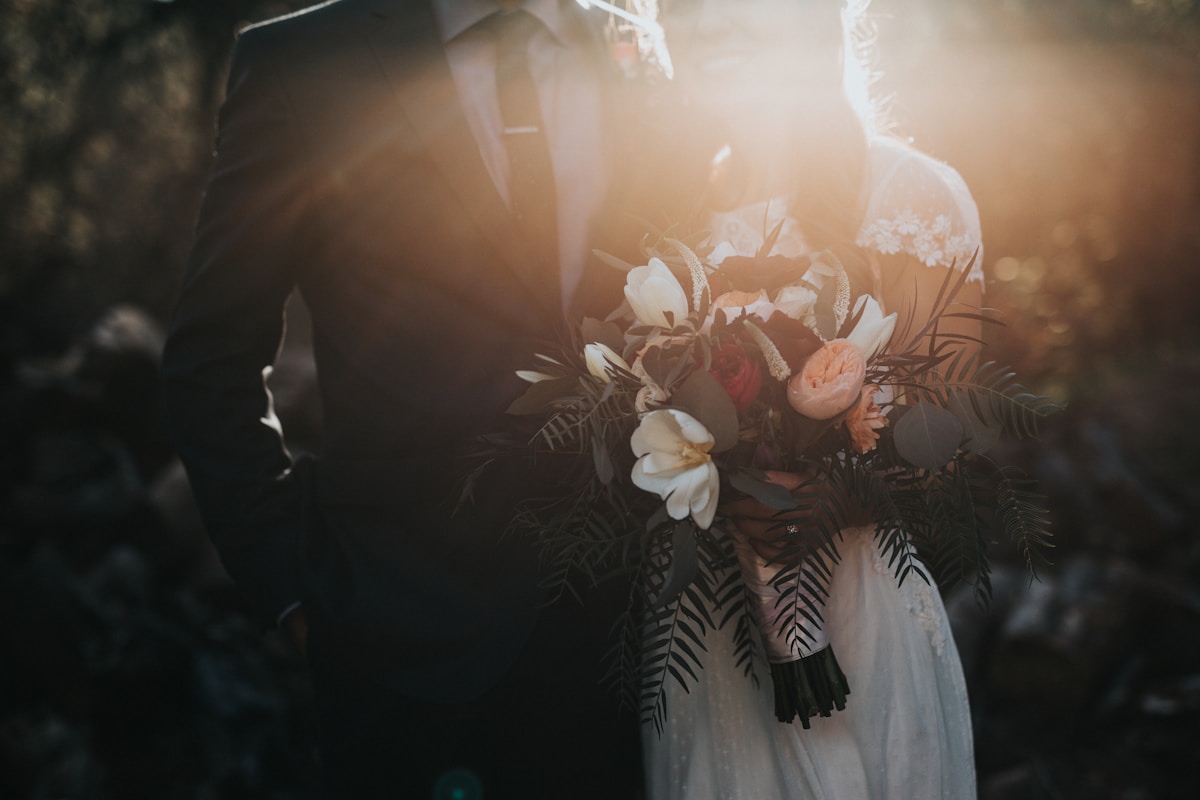
Armenian weddings are elaborate celebrations filled with ancient customs, from plate breaking at the threshold to the crowning ceremony in church.
Armenian weddings are among the most elaborate and meaningful celebrations in Armenian culture, filled with customs that date back centuries. These traditions symbolize family bonds, community blessing, and hopes for the couple's future.
## Engagement Customs (Nshan)
Traditional Armenian engagements begin with the groom's family formally asking for the bride's hand. The groom's family brings trays of gifts, sweets, and Armenian cognac. If the bride's family accepts, they share the cognac and gifts, sealing the engagement.
The "nshan" (engagement sign) often includes:
- An engagement ring
- Gold jewelry for the bride
- Armenian sweets and chocolates
- Fine cognac or wine
- Sometimes symbolic items like honey
## Pre-Wedding Rituals
In the days before the wedding, several customs take place:
**The Bride's Trousseau**: The bride's family prepares her belongings to be sent to her new home. Traditionally, this included household items she had prepared since childhood.
**The Groom's Party (Azgayin)**: Friends and family gather to celebrate with the groom, often including traditional music and dancing.
**Church Blessing of Rings**: The couple's rings are blessed before the ceremony.
## The Church Ceremony
Armenian Apostolic weddings are deeply spiritual. The ceremony includes:
**The Crowning**: The central ritual involves placing crowns (or wreaths) on the couple's heads, symbolizing their status as king and queen of their new household. The best man (kavor) often holds the crowns above their heads.
**Binding of Hands**: The priest ties the couple's hands together with ribbon, symbolizing their union.
**Drinking from the Common Cup**: The couple shares wine from the same cup, representing their commitment to share all things.
**Walking Three Times**: The couple walks three times around the altar, representing their journey through life together.
## Reception Traditions
Armenian wedding receptions are legendary celebrations:
**The Threshold Ritual**: When the newlyweds arrive at their home or reception venue, they break a plate at the threshold. The groom may also break a glass. This drives away evil spirits and brings good luck.
**Lavash and Honey**: The groom's mother greets the couple, placing lavash (flatbread) over their shoulders, symbolizing prosperity. She feeds them honey, ensuring their life together will be sweet.
**The Wedding Toast (Tamada)**: A toastmaster leads elaborate toasts throughout the reception. Armenian toasts are famous for their length, poetry, and wit.
**Traditional Dancing**: No Armenian wedding is complete without dancing, especially the popular Kochari and other folk dances. Guests join hands and dance in circles, creating community celebration.
## The Gift-Giving (Nver)
Guests present gifts to the couple, traditionally announced publicly. The announcer calls out each guest's name and gift, creating both celebration and, traditionally, a record of obligations (guests expect reciprocal generosity at future weddings).
## Modern Adaptations
While many Armenians maintain traditional elements, modern weddings often blend customs:
- Church ceremonies followed by secular receptions
- Traditional rituals alongside contemporary celebration styles
- Diaspora adaptations that preserve core elements in new contexts
## The Kavor (Best Man)
The kavor (godfather of the wedding) holds special significance. This honor goes to a married couple (kavor and kavor knik) who mentor the newlyweds. They sponsor the wedding and maintain a lifelong relationship with the couple, sometimes becoming godparents to their children.
## Significance
Armenian weddings represent more than two individuals joining—they unite families and communities. The elaborate traditions reinforce social bonds, transmit cultural values, and create memories that bind generations.
These customs have survived genocide, diaspora, and social change. Their persistence testifies to their meaning: love celebrated is love strengthened.