Հարիսան ավանդական հայկական շիլա է, որը պատրաստվում է կորեկահատ ցորենից և հավից, եփվում է ժամերով մինչև ստացվի յուղալի, միատարր զանգված: Այս ուտեստը հաճախ պատրաստվում է համայնքային հավաքույթների և տոնական առիթների համար, համեմվում է աղով, պղպեղով և երբեմն տաք համեմունքներով, ապա վրան ավելացվում է շագանակագույն յուղ:
Բաղադրիչներ
- 2 բաժակ կորկոտ (կեղևազերծված ցորենի հատիկներ) (կոչվում է նաև գորգոդ; հասանելի է Մերձավոր Արևելքի շուկաներում)
- 1 ամբողջական ամբողջական հավ (մոտ 3-4 ֆունտ, կամ օգտագործեք 2 ֆունտ ոսկրով հավի կտորներ ավելի հարուստ համի համար)
- 8 բաժակ ջուր կամ հավի արգանակ (կամ բավարար քանակություն՝ մի քանի դյույմ ծածկելու համար)
- 4 ճաշի գդալ անաղ արաղ (բաժանված)
- 2 թեյի գդալ աղ (կամ ըստ ճաշակի)
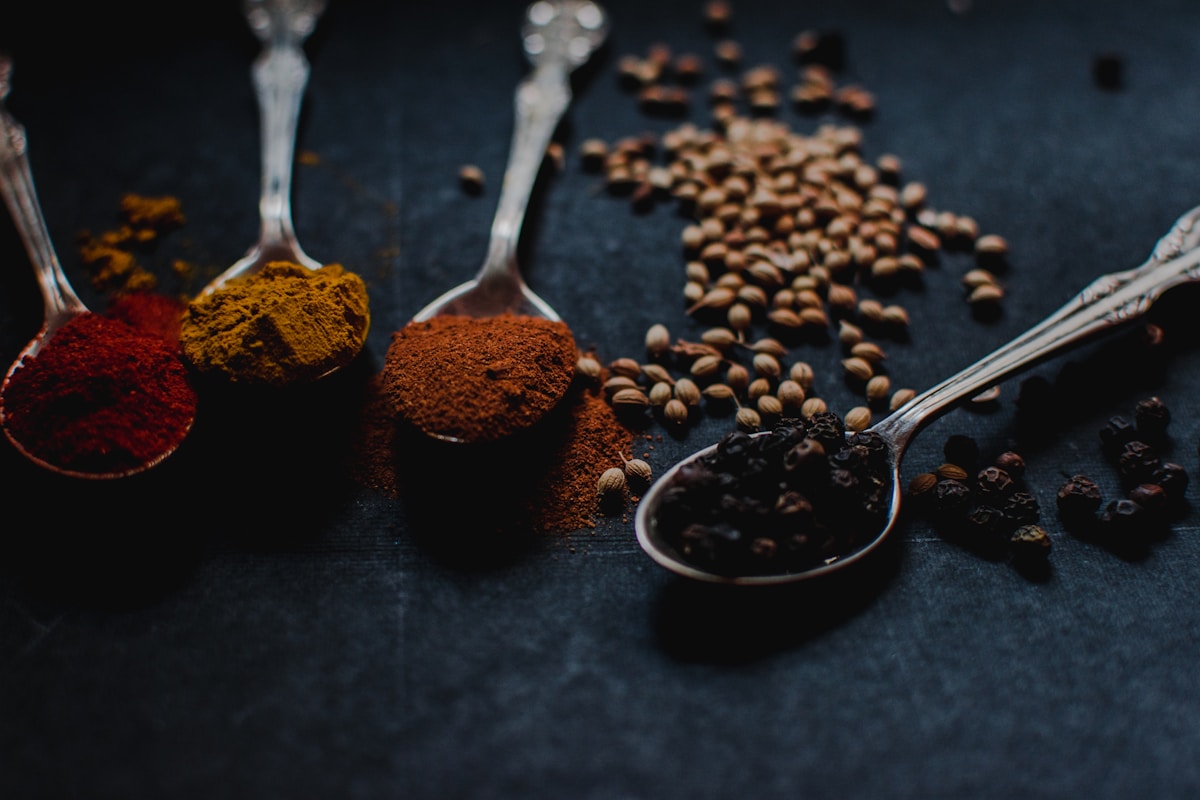
- 1 թեյի գդալ սև պղպեղ (թարմ աղացած)
- 0.5 թեյի գդալ աղացած դարչին (ըստ ցանկության, ավանդական է որոշ տարածաշրջաններում)
- 0.5 թեյի գդալ աղացած ժիրա (ըստ ցանկության, դեկորացիայի համար)
Հրահանգներ
-
1
Լավ լվացեք կորկոտը (կեղևազերծ ցորենի հատիկները) սառը ջրի տակ, մաղի մեջ։ Ջուրը քամեք և մի կողմ դրեք։
-
2
Մեծ, հաստ հատակով կաթսայի կամ հոլանդական վառարանի մեջ դրեք ամբողջ հավը։ Ավելացրեք բավարար քանակությամբ ջուր կամ արգանակ՝ հավը ծածկելու համար առնվազն 2 դյույմով։ Եռացրեք, ապա թուլացրեք կրակը, ծածկեք և եփեք մոտ 1,5 ժամ, կամ մինչև հավը շատ փափուկ դառնա և ոսկորներից անջատվի։
-
3
Հանեք հավը կաթսայից՝ պահպանելով ամբողջ արգանակը։ Մի փոքր թողեք հավը հովանա, ապա մանրացրեք բոլոր մսերը, հանելով մաշկն ու ոսկորները։ Վերադարձրեք մանրացված հավը կաթսային՝ արգանակի հետ միասին։
-
4
Ավելացրեք լվացած ցորենի հատիկները կաթսային՝ հավի և արգանակի հետ միասին։ Խառնեք 2 ճաշի գդալ կարագ, աղ և պղպեղ։ Բերեք մեղմ եռման։
-
5
Թուլացրեք կրակը հնարավոր ամենացածր մակարդակին։ Կաթսան մասամբ ծածկեք և եփեք 4-6 ժամ, շատ հաճախակի (յուրաքանչյուր 20-30 րոպեն մեկ) խառնելով մեծ փայտե գդալով, հատկապես վերջում։ Խառնուրդը պետք է դանդաղ թանձրանա, քանի որ ցորենի հատիկները ամբողջությամբ քայքայվում և միաձուլվում են հավի հետ՝ դառնալով հարթ, շիլայի նման համասեռ զանգված։ Ավելացրեք ավելի շատ տաք ջուր, եթե չափազանց թանձրանա։
-
6
Եփման վերջին 30 րոպեի ընթացքում ուժգին խփեք խառնուրդին փայտե գդալով՝ այն կրեմանման դարձնելու համար։ Ուտեստը համտեսեք և անհրաժեշտության դեպքում համեմեք ավելի շատ աղով ու պղպեղով։
-
7
Մատուցելուց անմիջապես առաջ, փոքր տապակի մեջ հալեցրեք մնացած 2 ճաշի գդալ կարագը ցածր կրակի վրա։ Եփեք մինչև այն դառնա բաց ընկույզի գույն և փրփրի։ Խառնեք ընտրովի դարչինը հարիսայի հետ, ապա լցրեք շագանակագույն կարագը վերևից։
-
8
Տաք մատուցեք, ցանկության դեպքում ցանելով աղացած ժիրայի փոշի։
Խորհուրդներ և տարբերակներ
Ավանդական հյուսվածքի համար կարևոր է դանդաղ, անընդհատ եփելը և հաճախակի խառնելը: Ծանր կաթսան կանխում է այրվելը: Ժամանակակից եղանակի համար սկզբնական եռացումից հետո ամեն ինչ տեղափոխեք դանդաղ եփման կաթսայի մեջ՝ ցածր ջերմաստիճանում 6-8 ժամով, ժամանակ առ ժամանակ խառնելով: Հավի փոխարեն կարելի է օգտագործել գառնի միս: Մնացորդները լավ են տաքանում մի քիչ ջուր կամ արգանակ ավելացնելով:
Մշակույթային նախապատմություն
Հարիսան խորը մշակութային նշանակություն ունի Հայաստանում, ավանդաբար պատրաստվում է մեծ կաթսաներում գյուղական խնջույքների, եկեղեցական տոների և հիշատակի օրերի համար։ Այն հատկապես կապված է Մուսա Լեռ (Մուսա Դաղ) շրջանի հետ և գոյատևման ու համայնքային միասնության խորհրդանշական ուտեստ է, որը հռչակվել է 1915 թվականի դիմադրության ժամանակ դրա պատրաստմամբ։ Երկարատև և աշխատատար եփման գործընթացը արտացոլում է դրա դերը որպես համայնքային նվեր։
Տարածաշրջան: Widely made across Armenia, with strong traditions in the historic region of Musa Dagh (now in Turke