
8 min read
The Armenian Genocide of 1915-1923 stands as one of the defining tragedies of the 20th century. The systematic destruction of Armenian communities in the Ottoman Empire killed approximately 1.5 million people and displaced millions more, fundamentally reshaping Armenian identity and diaspora.
## Historical Background
Armenians had lived in Eastern Anatolia for over 3,000 years before the Ottoman conquest. As Christians in a Muslim empire, they faced periodic persecution but also achieved significant success in commerce, education, and the professions. This status bred both resentment and vulnerability.
By the late 19th century, Armenian calls for reform and equal rights met with violent suppression. The Hamidian massacres of 1894-1896 killed 100,000-300,000 Armenians, foreshadowing worse to come. The Young Turk revolution of 1908 initially promised equality but soon gave way to nationalist ideology.
## The Genocide
World War I provided cover for the Ottoman government's plan to eliminate Armenians. On April 24, 1915—now commemorated as Armenian Genocide Remembrance Day—Ottoman authorities arrested and eventually executed hundreds of Armenian intellectuals and community leaders in Constantinople.
What followed was systematic destruction. Armenian men were separated from families and killed. Women, children, and the elderly were forced on death marches into the Syrian desert. Rape, torture, and starvation claimed countless lives. Those who reached concentration camps faced continued violence and deprivation.
The killings extended to forced conversions, destruction of Armenian cultural sites, and theft of Armenian property. The intent was clear: eliminate the Armenian presence from Anatolia entirely.
## International Response
The Genocide was not hidden—contemporary reports documented the atrocities. American Ambassador Henry Morgenthau protested vigorously. The New York Times published 145 articles about the massacres in 1915 alone. Allied governments condemned the killings and promised justice.
Yet after the war, geopolitical concerns overrode justice. Turkey's strategic importance led Western powers to abandon prosecution of the perpetrators. The Treaty of Lausanne (1923) made no provision for Armenian rights or the return of property.
## Diaspora Formation
Survivors scattered across the globe, creating Armenian communities in the Middle East, Europe, and the Americas. These diaspora communities preserved Armenian language, culture, and memory while building new lives in foreign lands.
The trauma transmitted across generations. Grandchildren of survivors carry stories of death marches, lost relatives, and stolen homelands. This collective memory shapes Armenian identity worldwide, creating solidarity across geographical and political divisions.
## Fight for Recognition
For decades, Turkey denied the Genocide occurred, characterizing it as wartime casualties or Armenian rebellion. This denial prolonged Armenian trauma and prevented reconciliation. The fight for recognition became central to Armenian diaspora activism.
Progress has been slow but steady. Over 30 countries have officially recognized the Armenian Genocide. The European Parliament, the International Association of Genocide Scholars, and numerous other bodies have acknowledged the historical truth. In 2019, the U.S. Congress passed a resolution recognizing the Genocide; President Biden became the first U.S. president to use the word "genocide" in annual commemorations.
## Memory and Meaning
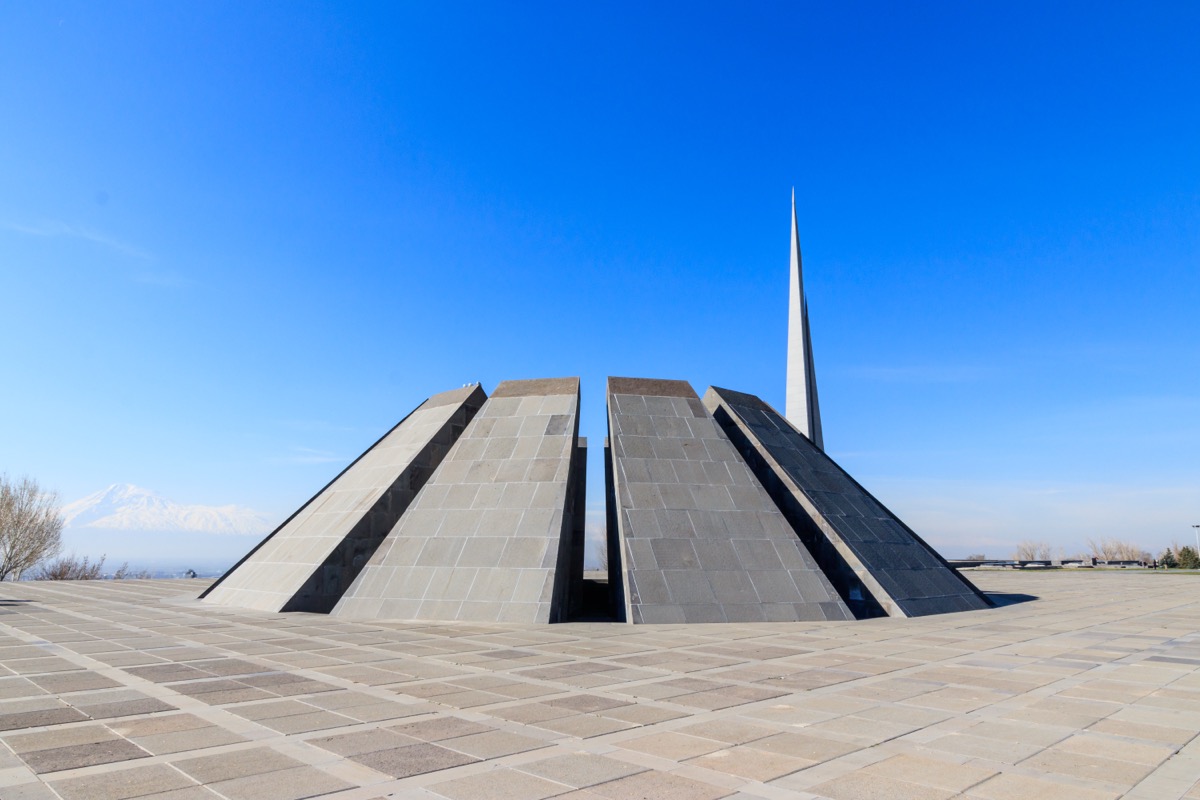
Each April 24, Armenians worldwide commemorate the Genocide. In Yerevan, hundreds of thousands march to the Tsitsernakaberd memorial. In cities from Paris to Los Angeles, vigils and ceremonies honor the victims.
The Genocide remains central to Armenian identity—a defining wound that also demonstrates Armenian resilience. Survivors rebuilt communities; their descendants preserve culture and seek justice. The phrase "Never forget" connects Armenian memory to universal lessons about human rights and the consequences of hatred.
## Continuing Relevance
The Armenian Genocide influenced the development of human rights law, including the word "genocide" itself, coined by Raphael Lemkin partly with the Armenian experience in mind. Understanding this history remains essential for preventing future atrocities.
For Armenians, recognition is not merely about the past—it's about affirming that their ancestors' suffering was real, that truth matters, and that justice, however delayed, must eventually prevail.
Tags
genocide,1915,history,memory,recognition,diaspora